Tohoku Moment Where Japanese stories meet everyday life

Tohoku Moment

Where Japanese stories meet everyday life

Latest Articles

Being Early Is a Form of Kindness: What Japan's Punctuality Culture Actually Gets Right
Home & Living

Being Early Is a Form of Kindness: What Japan's Punctuality Culture Actually Gets Right

In Japan, showing up a few minutes early isn't just polite — it's a quiet act of care. But in the US, our obsession with exact-to-the-minute timing might actually be pulling us further from the people we're trying to meet. Here's what happens when we stop treating punctuality as a rule and start treating it as a relationship.


What Jazz and Japanese Music Both Know That Your Conversations Don't
Home & Living

What Jazz and Japanese Music Both Know That Your Conversations Don't

In Japanese music, the silence between notes carries as much meaning as the notes themselves. The same principle shows up in how Japanese people communicate — and it might be the key to why some conversations feel deep while others, despite all the talking, feel hollow. Here's what happens when you stop trying to fill every gap.

Thirteen Japanese Words That Describe Feelings You Have Every Day But Can't Quite Name
Home & Living

Thirteen Japanese Words That Describe Feelings You Have Every Day But Can't Quite Name

Japanese has words for the sadness of a beautiful sunset, the urge to squeeze something unbearably cute, and the particular calm of being in a forest. English doesn't — and that gap says something fascinating about what we notice, what we dismiss, and what we might be missing entirely.

What Happens When You Stop Talking: The Japanese Secret to Saying More With Less
Home & Living

What Happens When You Stop Talking: The Japanese Secret to Saying More With Less

In American culture, silence in a conversation feels like a problem to solve. But in Japan, that quiet moment might be the most important part of the whole exchange. Here's what learning to sit with silence has done for the way I work, talk, and think.

Your Brain Needs Boredom: What Japan Quietly Knows About Doing Absolutely Nothing
Home & Living

Your Brain Needs Boredom: What Japan Quietly Knows About Doing Absolutely Nothing

In America, an empty afternoon feels like a problem to solve. In Japan, it might just be the whole point. Discover how the Japanese embrace of unstructured leisure — and the quiet permission to simply exist — could be exactly what your overworked mind has been craving.

Eating With the Calendar: How Japan's 'Shun' Philosophy Could Change the Way You Shop Forever
Home & Living

Eating With the Calendar: How Japan's 'Shun' Philosophy Could Change the Way You Shop Forever

In Japan, there's a quiet reverence built around eating ingredients at their absolute peak — a concept called 'shun' that turns a simple meal into something closer to a ritual. For Americans drowning in year-round strawberries and out-of-season tomatoes, this philosophy might be the reset button your grocery routine desperately needs. Here's what it looks like to actually live by it.

Forget the Host Gift: What Japan Quietly Teaches Us About Showing Up With Just Yourself
Home & Living

Forget the Host Gift: What Japan Quietly Teaches Us About Showing Up With Just Yourself

American social culture has quietly convinced us that arriving empty-handed is a kind of failure. But Japanese visiting traditions — and the gentle philosophy behind them — suggest that your actual presence might be the most generous thing you can offer.

You Are Enough: What Japanese Visiting Culture Says About the Pressure to Always Bring Something
Home & Living

You Are Enough: What Japanese Visiting Culture Says About the Pressure to Always Bring Something

In America, showing up empty-handed can feel like a social misstep. But Japanese visiting culture quietly challenges that anxiety — suggesting that sometimes, the most meaningful thing you can carry through someone's door is simply yourself.

It's Not About the Price Tag: What Japanese Gift-Giving Rituals Teach Us About True Generosity
Home & Living

It's Not About the Price Tag: What Japanese Gift-Giving Rituals Teach Us About True Generosity

In Japan, the most meaningful gifts aren't always the biggest ones — they're the most considered. Exploring the cultural traditions around Japanese gift-giving reveals something quietly radical about how Americans think about generosity, and why giving more doesn't always mean giving better.

You Don't Have to Say a Word: The Japanese Way of Being There When It Counts
Home & Living

You Don't Have to Say a Word: The Japanese Way of Being There When It Counts

In Japan, showing up for someone doesn't always mean knowing what to say. Sometimes the most powerful thing you can offer is simply your presence — no advice, no solutions, no words required. Here's what that quiet approach can teach us about the way we support the people we love.

What Japanese Letters Know That Your Texts Don't: The Power of Saying Less
Home & Living

What Japanese Letters Know That Your Texts Don't: The Power of Saying Less

Traditional Japanese correspondence has long treated silence as a feature, not a flaw — leaving deliberate gaps for the reader to fill with feeling. In a world of wall-to-wall notifications and overstuffed inboxes, there's something quietly radical about the idea that the words you leave out might matter more than the ones you put in.

When 'Maybe' Means More Than 'Yes': What Japanese Indirectness Can Do for Your Relationships
Home & Living

When 'Maybe' Means More Than 'Yes': What Japanese Indirectness Can Do for Your Relationships

Americans are obsessed with saying exactly what they mean — but what if that's quietly damaging your closest relationships? Japanese indirect communication offers a surprisingly powerful alternative to radical honesty, one that protects feelings without sacrificing truth.

Sunlight Through Leaves Has a Name in Japan — and It Might Explain Why You Can't Stop Chasing That Shot
Home & Living

Sunlight Through Leaves Has a Name in Japan — and It Might Explain Why You Can't Stop Chasing That Shot

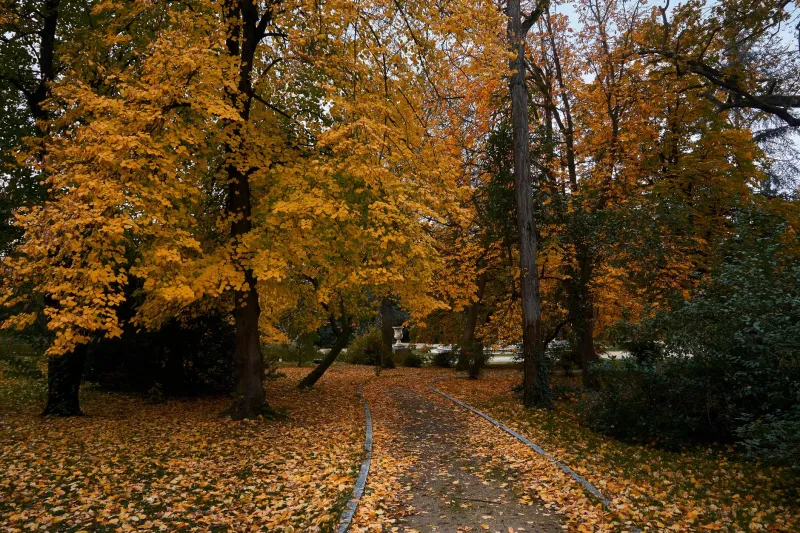
There's a Japanese word for the way light filters through a forest canopy and dances on the ground below — and Americans have been chasing that feeling for years without knowing what to call it. Komorebi isn't just a pretty concept; it's a whole different way of paying attention to the world around you. Here's why it resonates so deeply, and what Japan understood about fleeting beauty long before wellness culture made it trendy.

Stop Trying to Fix Your Friends: The Japanese Concept That Redefines What It Means to Really Listen
Home & Living

Stop Trying to Fix Your Friends: The Japanese Concept That Redefines What It Means to Really Listen

Americans are wired to solve problems — but what if that instinct is actually getting in the way of being a good friend? The Japanese idea of 'manabu' offers a quieter, more powerful way to show up for the people you love.

More Than a Venn Diagram: What Americans Keep Getting Wrong About Ikigai
Home & Living

More Than a Venn Diagram: What Americans Keep Getting Wrong About Ikigai

Silicon Valley turned ikigai into a productivity hack, but the original Japanese concept is quieter, slower, and far more personal than any four-circle diagram suggests. Here's what gets lost in translation — and why that matters for burned-out Americans searching for something more meaningful than a job title.

One Word, Two Meanings, Zero Excuses: What 'Sumimasen' Reveals About the Way We Apologize
Home & Living

One Word, Two Meanings, Zero Excuses: What 'Sumimasen' Reveals About the Way We Apologize

In Japanese, a single word carries the weight of both 'excuse me' and 'I'm sorry' — and that overlap isn't accidental. Understanding 'sumimasen' might just change the way you navigate conflict, relationships, and the small daily moments where accountability actually lives.

Stuck Between Seasons? Japan Has a Word for That Feeling — and It's Actually Beautiful
Home & Living

Stuck Between Seasons? Japan Has a Word for That Feeling — and It's Actually Beautiful

There's a quiet Japanese wisdom around the moments when one season bleeds into the next — and it turns out, those threshold moments are worth slowing down for. Whether you're swapping out your wardrobe, changing careers, or just feeling caught between who you were and who you're becoming, this philosophy might reframe everything. Here's how to stop rushing through life's in-betweens and start actually living them.

Broken and More Beautiful: What Kintsugi Can Teach Us About Fixing What Matters Most
Home & Living

Broken and More Beautiful: What Kintsugi Can Teach Us About Fixing What Matters Most

In Japan, a cracked bowl isn't garbage — it's an opportunity. The ancient art of kintsugi repairs broken pottery with liquid gold, turning damage into something worth displaying. Turns out, the same philosophy works surprisingly well on the relationships we thought were too far gone to save.

Empty Space Is the Point: What Japanese 'Ma' Taught Me About Decorating My Home
Home & Living

Empty Space Is the Point: What Japanese 'Ma' Taught Me About Decorating My Home

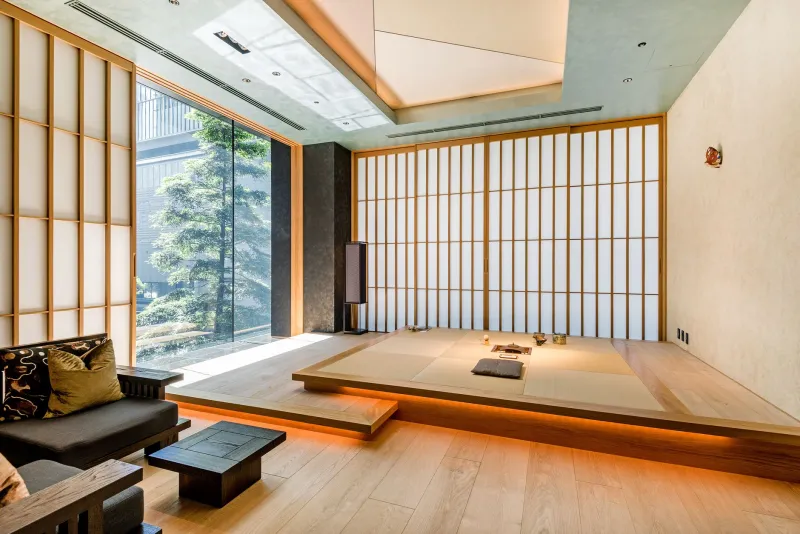
In a culture that celebrates more — more furniture, more decor, more stuff — the Japanese concept of 'ma' flips the script entirely. Negative space isn't a design flaw; it's the whole idea. Here's how embracing intentional emptiness transformed one cluttered American home into something that actually feels like a place to breathe.