It's Not About the Price Tag: What Japanese Gift-Giving Rituals Teach Us About True Generosity
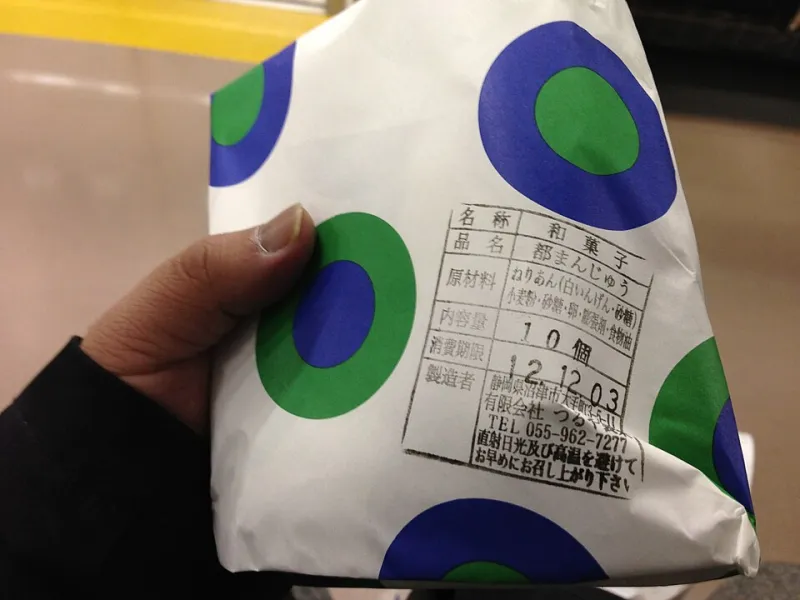
Photo: Hotel Stationery, CC BY 2.0, via Wikimedia Commons
There's a particular kind of panic that sets in around the holidays, or before a dinner party, or when you find out a coworker is leaving and someone's already passing around the card. What do you get? How much should you spend? Is a gift card too impersonal? Is a candle too generic?
American gift-giving culture is, if nothing else, loud. It's Amazon wishlists and receipts tucked into envelopes and the unspoken rule that bigger usually means better. We measure generosity in volume — the pile under the tree, the size of the bouquet, the number of items in the gift bag.
Japan does it differently. And spending any time with those traditions makes you wonder if we've been thinking about generosity all wrong.
The Weight of the Wrapping
In Japan, presentation isn't an afterthought — it's half the message. The way a gift is wrapped communicates care before the recipient even knows what's inside. Department stores employ specialists dedicated entirely to wrapping. Furoshiki, the centuries-old practice of folding fabric around gifts, is still widely used today, and the style of the fold can carry its own layer of meaning.
There's a phrase in Japanese culture: teinei ni suru, which loosely translates to doing something with sincerity and care. It shows up in gift-giving as an almost meditative attention to detail — the quality of the paper, the direction of the fold, the choice of ribbon. Nothing is accidental.
Compare that to the American approach: tissue paper shoved into a bag, or worse, a gift shipped directly from an online retailer in a branded box with a printed note card. The gift arrives, but the gesture? It kind of doesn't.
Small Is Not the Same as Insufficient
One of the most striking aspects of Japanese gift culture is the acceptance — even preference — for modest, thoughtful items over lavish ones. Omiyage, the tradition of bringing back local food or small goods when you've traveled, is a perfect example. You return from a trip to Kyoto and you bring your colleagues individually wrapped sweets from a regional confectionery. The item itself might cost a few dollars. But the act of selecting something local, something specific to where you were, carries enormous social and emotional weight.
In American workplaces, this translates awkwardly. We tend to either go big (a catered lunch, a gift card with a round number on it) or skip it entirely. The idea that a carefully chosen $8 box of regional cookies could be more meaningful than a $50 generic gift basket feels almost counterintuitive here. But that's exactly the point.
Japanese gift-giving isn't about the price. It's about demonstrating that you paid attention.
Seasonality as a Love Language
Japan has two major gift-giving seasons built into the calendar: ochugen in midsummer and oseibo in December. Both are rooted in the idea of expressing gratitude to people who have supported you — mentors, bosses, family elders, close friends. The gifts exchanged during these seasons are deliberately seasonal: summer brings cold noodles, chilled sweets, and regional fruit; December calls for preserved foods, sake, and warming treats.
There's something deeply intentional about this. The gift isn't just an object — it's a reflection of the moment in time it was given. It says I thought about what this season feels like for you, and I chose something that fits it.
For Americans, this idea of seasonal appropriateness is mostly reserved for the obvious — pumpkin everything in fall, peppermint in December. But what if we extended that thinking to the people in our lives? What if a summer gift to a friend meant a cold brew kit and a note that said for your porch, on the hot afternoons? That kind of specificity is what transforms a transaction into a moment.
The Etiquette of Receiving
Here's where things get really interesting: in Japan, it's common to not open a gift in front of the giver. This isn't rudeness — it's actually the opposite. The tradition exists to protect both parties from any awkwardness, to let the gift speak for itself later, in private, without the pressure of performing the right reaction on the spot.
American gift culture is almost entirely built around the unwrapping moment. We film it, we watch kids tear into packages on Christmas morning, we sit in circles at baby showers waiting for each item to be held up and praised. The reveal is the event.
Neither approach is wrong. But the Japanese tradition quietly asks a different question: Is this gift about the giver's need to be appreciated, or about the recipient's experience of receiving it?
That question stings a little, if you're honest.
What This Means for Your Friendships, Your Family, Your Office
You don't have to adopt every aspect of Japanese gift etiquette to take something useful from it. But a few principles translate really cleanly into everyday American life.
Give specific, not grand. Your friend who just started running doesn't need an expensive gadget. She needs the book about the woman who ran across a desert that you've been meaning to tell her about for three months. That costs twelve dollars and means everything.
Wrap it like it matters. Presentation communicates effort. Even a simple, neatly tied ribbon on a plain bag says I took an extra two minutes because you're worth it.
Think about timing. A gift given on an ordinary Tuesday because you saw something that made you think of someone is often more powerful than the obligatory birthday present. Japanese gift culture understands that gratitude has its own seasons — and sometimes you make one.
Let go of the reveal. Not every gift needs a live audience. Sometimes dropping something off with a note, or mailing something without making a big deal of it, is its own kind of grace.
Generosity Isn't a Volume Knob
What Japanese gift-giving tradition ultimately challenges is the American instinct to equate generosity with quantity. More items, higher price points, bigger gestures — we've been trained to read these as signs of how much someone cares. But care doesn't scale that way. A perfectly chosen, modestly priced, beautifully wrapped gift from someone who actually thought about you? That lands differently than a gift basket assembled by an algorithm.
The Japanese concept at the heart of all of this isn't complicated. It's just attention. Real, sustained, specific attention to the person you're giving to — their tastes, their season, their needs, the moment you're in together.
That's the gift. Everything else is just packaging.