What Happens When You Stop Talking: The Japanese Secret to Saying More With Less
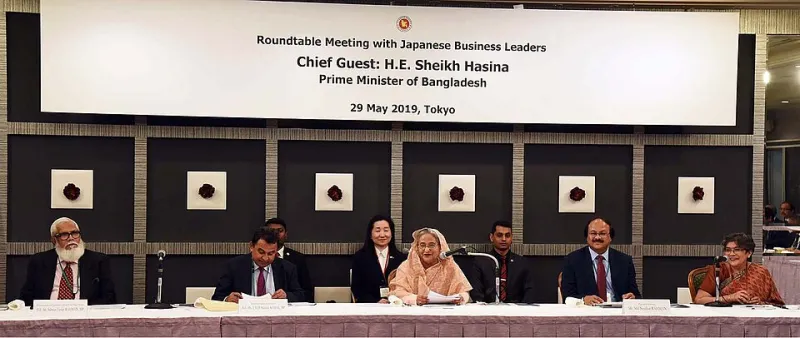
Photo: Press Information Department, Public domain, via Wikimedia Commons
There's a particular kind of panic that sets in during an American meeting when nobody speaks for more than three seconds. Someone clears their throat. Someone else laughs nervously. A third person jumps in with a half-formed thought just to break the tension. We treat silence like a leak — something to plug before it gets worse.
I used to do the same thing. Then I started paying attention to how silence actually functions in Japanese communication, and it quietly rearranged the way I show up in conversations.
The Uncomfortable Truth About American Airtime
We're a culture that rewards fast talkers. In boardrooms, coffee shops, first dates, and Zoom calls, the person who speaks confidently and quickly tends to get taken seriously. We've built an entire social economy around verbal speed — podcasts that talk over each other, news panels where the loudest voice wins, workplaces that mistake extroversion for leadership.
But here's the thing: talking fast doesn't mean thinking well. And filling silence doesn't mean you have something worth saying.
In Japan, silence during a conversation isn't awkward — it's active. It signals that the other person is genuinely processing what you said, taking it seriously enough to sit with before responding. There's even a word that brushes up against this idea: ma (間), which refers to the meaningful pause or interval between things. It shows up in music, in architecture, in the way a traditional room is arranged. And yes, it shows up in how people talk to each other.
The pause isn't empty. It's doing something.
What I Noticed in Japanese Meeting Culture
If you've ever sat in on a meeting with Japanese colleagues — whether in person or remote — you might have noticed a rhythm that feels almost slow by American standards. Questions get asked. Then there's a beat. Sometimes a long one. And then someone answers, carefully.
At first, this can feel like hesitation, like uncertainty, like maybe the question didn't land right. But that's a misread. What's actually happening is that the person is respecting both the question and you enough to not fire back with the first thing that comes to mind. The silence is a form of consideration. It's ma doing its work.
In contrast, think about how American meetings typically go. Someone asks a question, three people answer simultaneously, the loudest or most senior voice wins, and the group moves on — often without anyone really having thought the thing through. We call this efficiency. Sometimes it's just noise.
Japanese communication culture, particularly in professional settings, tends to value nemawashi — the process of quietly laying groundwork and building consensus before decisions are made openly. A lot of that groundwork happens in the pauses, in the side conversations, in the moments of apparent stillness. Decisions that look sudden from the outside were often made slowly, carefully, in the quiet.
Trying It Out in Real Life
I started experimenting with intentional pauses about a year ago. Not dramatic, theatrical silence — just a beat or two before responding to questions, especially in work conversations where I'd normally just react.
The results were genuinely strange. People thought I was more confident, not less. Colleagues told me I seemed more thoughtful. One friend said, half-joking, that I'd become a better listener. I hadn't changed what I was saying — just when I was saying it.
There's actual research behind this. Studies on conversation dynamics consistently show that people who pause before responding are perceived as more competent and credible. The pause signals processing. It signals that you're taking the other person seriously. Ironically, saying nothing for a moment makes everything you say afterward land harder.
This is something Japanese communication culture has understood for a long time, not as a tactic, but as a deeply embedded value. Thoughtfulness is built into the rhythm of speech itself.
The Social Benefits Are Real Too
This isn't just a workplace thing. Bring it into your friendships, your family conversations, your first dates at a coffee shop in Brooklyn or a bar in Nashville, and something shifts.
When someone shares something difficult with you and you immediately respond with advice or reassurance, you're technically filling the silence. But you're also, in a way, redirecting the moment back to yourself — to your fix, your comfort, your need to resolve the tension. Sitting quietly for a second or two before speaking says something different. It says: I heard you. I'm with you. I'm not in a rush to make this about my response.
That's a form of intimacy that words sometimes can't create.
Japanese culture has long understood the weight of what goes unsaid. The literary concept of mono no aware — a bittersweet sensitivity to the impermanence of things — is partly about what words can't fully hold. Sometimes the most honest response to something meaningful is a moment of quiet acknowledgment before language steps in.
Practical Ways to Start Sitting With the Quiet
You don't need to overhaul your personality or turn into someone who stares silently at people across conference tables. Small shifts go a long way.
In meetings: When someone asks you a question, take two full seconds before you respond. Not to seem mysterious — just to actually think. You'll be surprised how often your first instinct isn't your best one.
In personal conversations: Resist the urge to immediately problem-solve when a friend is venting. Let there be a pause. Ask a follow-up question instead of offering a solution.
In negotiations or disagreements: Silence can be a form of patience. When you feel the pull to defend yourself immediately, wait. The other person often fills the silence themselves, sometimes with something useful.
In your own thinking: Give yourself quiet time before making decisions. Not meditation necessarily — just space. A walk without a podcast. A meal without your phone. Let your brain catch up to the information it already has.
The Pause as a Practice
What Japanese meeting culture taught me isn't that silence is better than words. It's that silence is part of the conversation — not a gap in it. The pause is where meaning gets processed, where respect is communicated, where real listening actually happens.
In a culture that rewards the fast, the loud, and the immediate, choosing to pause is almost a radical act. It says you value clarity over speed. It says you're not performing for the room — you're actually present in it.
That's a small shift with a surprisingly large return. And it starts with doing nothing, just for a moment, and letting that be enough.