Stuck Between Seasons? Japan Has a Word for That Feeling — and It's Actually Beautiful
That Weird Week When Nothing Feels Quite Right
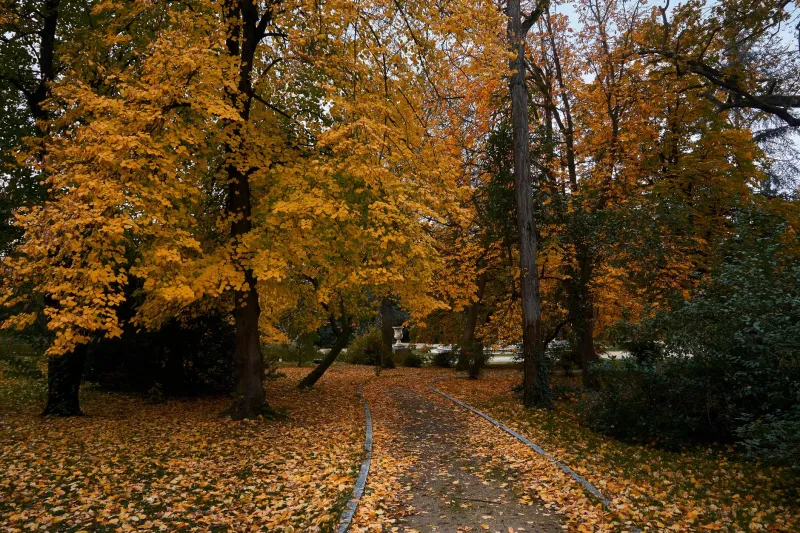
You know the feeling. It's late October, but it's still hitting 70 degrees in the afternoon. Your fall candles are burning, your pumpkin spice latte is in hand, but you're sweating through a flannel shirt and questioning every decision you've made. Or maybe it's March, and the snow is half-melted, the air smells like mud and possibility, and you genuinely don't know what to wear — or feel — about any of it.
We tend to treat these in-between stretches like inconveniences. Something to push through. A loading screen before the real season — the real chapter — begins.
But in Japan, particularly in the cultural and spiritual traditions rooted in places like Tohoku, those threshold moments aren't something to fast-forward past. They're actually considered among the most meaningful stretches of time you can experience.
What Tsurugaoka Philosophy Actually Means
Tsurugaoka Hachimangu, the iconic shrine at the heart of Kamakura, Japan, has long been a place where people gather not just for major festivals or celebrations, but for the quiet, shifting moments in between — the first cherry blossom that falls before the peak bloom, the first frost that signals winter's arrival. The philosophy embedded in this kind of sacred seasonal awareness isn't about the destination. It's about honoring the transition itself as something worthy of attention.
This connects deeply to a broader Japanese aesthetic sensibility — one that finds meaning in impermanence, in the space between what was and what's coming. It's less a formal doctrine and more a cultural habit of noticing. Of pausing. Of letting a moment of change actually land before you move on.
In practical terms? It means the week your closet is half summer, half fall is not chaos. It's a ritual. The morning you hand in your resignation letter before starting a new job isn't just a formality — it's a threshold. And thresholds, in this worldview, deserve to be crossed consciously.
The American Habit of Skipping the Middle
Here in the US, we're pretty obsessed with before-and-afters. Renovation reveals. Weight loss journeys. Career pivots told in neat LinkedIn posts. We love a clean narrative arc — struggling, then thriving. Winter, then spring. Old job, new job.
What we're less comfortable with is the messy, ambiguous middle. The three weeks after you've decided to make a change but before anything has actually shifted. The season that can't make up its mind. That stretch feels like failure, or stagnation, or just... waiting.
But what if that middle stretch is actually where most of the growth happens? What if the in-between is the whole point?
Practical Ways to Start Honoring Your Transitions
Slow Down the Wardrobe Swap
Instead of one frantic Saturday afternoon where you shove everything seasonal into bins and call it done, try spreading it out. Pull out a few fall pieces at a time. Notice which summer items you reach for one last time. Let the closet be a little mixed up for a week. This isn't disorganization — it's acknowledgment. You're marking the shift.
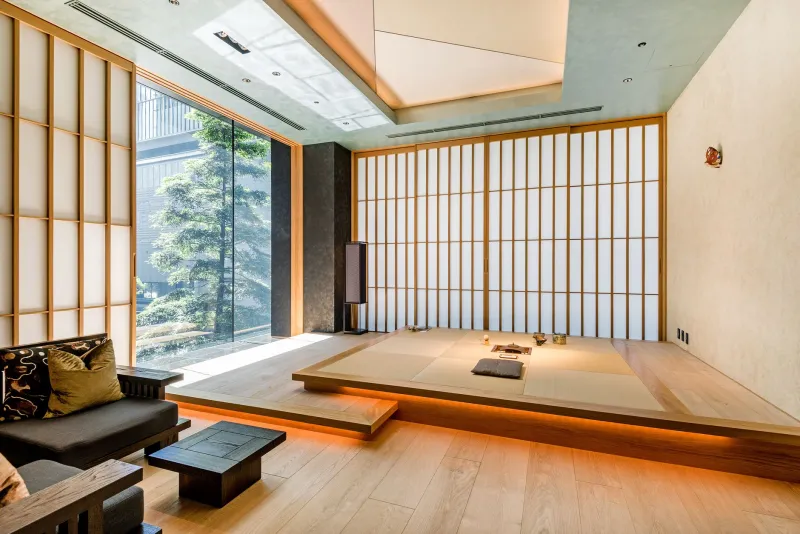
In Japan, the changing of seasonal textiles and household items — swapping lightweight noren curtains for heavier ones, switching out thin tatami mats — is treated as a mindful domestic ritual. There's even a term, koromogae (衣替え), for the traditional twice-yearly changing of clothes. It's not a chore. It's a ceremony.
Sit With Career Transitions Before Announcing Them
When you're changing jobs, leaving a relationship, or shifting direction in some major way, there's often enormous pressure to immediately reframe the narrative for other people. To have the confident answer ready. To perform the transition before you've actually processed it.
Try giving yourself a private in-between period first. Journal about what you're leaving behind — not just what you're moving toward. Acknowledge what the old chapter meant before you close it. This isn't wallowing. It's the emotional equivalent of watching the last cherry blossoms fall before celebrating the green leaves that follow.
Create a Small Seasonal Ritual at Home
You don't need a shrine or a special occasion. Pick one simple act that marks each seasonal shift in your home — rearranging a shelf, swapping out a throw blanket, making the first cup of a seasonal tea blend. Do it slowly. Do it on purpose. Let it be the moment you say, okay, something is changing, and I'm paying attention.
Even something as small as opening the windows on the first genuinely warm spring day and just standing there for a few minutes counts. You're marking the threshold. You're not rushing through it.
Let Yourself Feel the Overlap
One of the most quietly radical things this philosophy asks of us is to stop treating mixed feelings as a problem to solve. Feeling nostalgic about a job you're glad to be leaving? That's not contradiction — that's richness. Missing summer while also genuinely welcoming fall? You're not confused. You're fully present in a transitional moment, and that's actually a pretty rare and valuable place to be.
The Beauty That Lives at the Edge of Things
There's a reason the most photographed moment in Japanese cherry blossom season isn't the peak bloom — it's the moment the petals begin to fall. That's when people really stop and look. When they really feel something.
The transitions in your own life — the weeks, the days, the quiet mornings when you're not quite who you were and not quite who you're becoming — those moments have that same quality. They're not empty. They're full of something harder to name but worth paying attention to.
So the next time you find yourself stuck in that weird in-between stretch, try resisting the urge to rush through it. Light a candle. Open a window. Let the closet be a little chaotic for another week.
The season will settle. So will you. But the threshold? That's where the interesting stuff happens.